By Jordan Leisten, Owner of JA Homeworx LLC
Recognizing the early signs of roof damage is crucial for homeowners in Southern Wisconsin. A well-maintained roof not only protects your home but also saves you from costly repairs. This article will guide you through various indicators that may suggest your “roof needs repairs”, emphasizing typical visual cues and common issues. It will cover critical preventive measures to safeguard your roof against wear and tear while detailing internal indicators of roof problems. Understanding how local weather conditions impact your roof can help you keep it in optimal shape. We will also explore when repairs may be enough and when a replacement might be necessary. Read on to become more informed about roof maintenance and safeguard your home from potentially significant issues.
Damaged or missing shingles, along with curling or granule loss, are early visual warning signs that a roof needs attention before leaks develop.
Interior clues like water stains, mold on ceilings or walls, and damp or water-logged attic insulation often reveal roof leaks before they’re visible from outside.
Aging roofing materials, winter ice dams, and storm debris are common causes of roof damage for Southern Wisconsin homes.
Regular inspections (at least twice a year and after major storms), gutter maintenance, and sealants help catch problems early and extend a roof’s lifespan.
Southern Wisconsin’s storms and freeze-thaw cycles make post-storm inspections especially important for catching hidden damage.
The choice between roof repair and replacement depends on the severity of damage and the roof’s age, and homeowner’s insurance may help cover storm-related damage.
Identifying visual signs of damage on your roof is the first step in maintaining its integrity and longevity. These signs can indicate underlying problems that may lead to leaks or structural issues if left untreated.
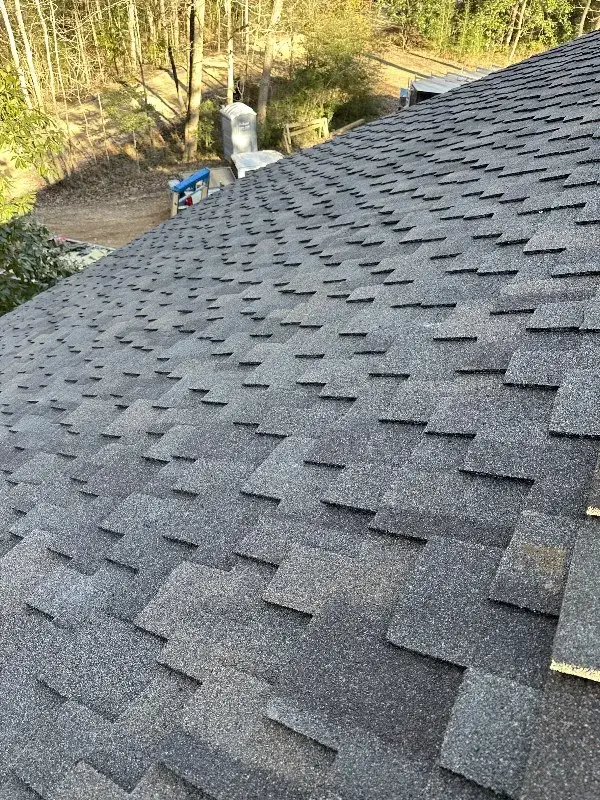
Damaged or missing shingles are clear indicators that your roof may require immediate attention. Shingles protect your roof from weather elements; when they are compromised, it opens up possibilities for leaks. Homeowners should regularly inspect their roofs for shingle integrity; signs of wear can signal substantial issues underneath. Ignoring these signs may exacerbate any existing problems, leading to more severe and costly repairs.
Curling or granule loss on shingles often indicates that they are aging and may need replacement. Granules serve as a protective barrier against UV rays, and their loss can signify shingles losing their effectiveness. When shingles begin to curl, it compromises their waterproof capabilities, significantly increasing the risk of leaks. Homeowners should pay close attention to these signs, as they expose the roof’s underlying materials to further damage if not addressed promptly.
Understanding the common issues that lead to roof damage is vital for prevention. Aging materials can often become the root of problems, increasing the likelihood of leaks and structural weaknesses over time.
One of the primary issues stems from aging roofing materials. Over time, even high-quality materials can break down due to exposure to the elements. Ice dams, prevalent in Southern Wisconsin during winter, can also damage the roof’s underlayment and lead to serious leaks. Additionally, during storms, branches or debris can create weak points that necessitate immediate repair. By addressing these potential threats early, homeowners can ensure their roofs have a much longer lifespan.
Implementing preventive measures can go a long way in protecting your roof. Regular maintenance can help detect problems early, preventing costly repairs or extensive replacements down the line.
Regular Inspections: Scheduling regular roof inspections can catch issues before they escalate. It’s advisable to inspect your roof at least twice a year, particularly in spring and fall.
Gutter Maintenance: Keeping gutters clear of leaves and debris is crucial to prevent water buildup, which can lead to leaks.
Sealants and Caulking: Applying sealants or caulking around potential leaky areas can help block water infiltration, further protecting your roof.
Addressing these preventive measures can mitigate risks and prolong the lifespan of your roof. For comprehensive care, “professional roofing contractors” can help you develop a long-term maintenance strategy.

Interior indicators are often the first signs homeowners notice when roof damage occurs. Understanding these signals can help you react promptly and avoid further complications.
Water stains on ceilings or walls often indicate that your roof has developed leaks. These stains usually appear brown or yellow and can vary in size. Mold growth is another critical sign, indicating prolonged moisture and often hints at leaks directly above the affected area. Addressing these problems immediately is essential, as mold can lead to health issues and further structural damage if left unchecked.
Insulation damage in your attic can point to underlying roof issues. If insulation feels damp or water-logged, it signals a potential roof leak. When checking insulation, it’s important to look for signs of moisture that could indicate leaks above. Keeping your insulation dry is crucial, as wet insulation loses its effectiveness, leading to higher energy costs and potential mold growth.
Southern Wisconsin’s weather plays a significant role in the wear and tear of roofs. Understanding how seasonal changes affect your roof can help homeowners prepare accordingly.
Homeowners must be vigilant regarding storm damage during the spring and summer months. High winds can rip off shingles, while heavy snow can lead to ice dams that trap water on the roof. It’s essential to inspect your roof after a major storm for any signs of damage, such as lifted shingles or exposed sections of the roof.
Regular roof inspections are crucial after severe weather events. During these inspections, professionals can identify damage that may not be visible to untrained eyes. By addressing damage quickly, homeowners can prevent more serious problems from developing down the line, such as leaks or structural damage. Maintaining a proactive approach to roof health ensures that your home remains safe and secure.
Deciding between roof repair and replacement can be a challenging process. Several factors can influence the decision, including the extent of damage and overall roof age.
Assessing the severity of damage is crucial in determining the best course of action. Minor damage such as a few missing shingles may warrant repairs, while extensive damage could indicate that replacement is the more cost-effective solution in the long run. Homeowners are often advised to consider the lifespan of their current roof; if repair costs approach the cost of a new roof, replacement may be the wiser choice.
Insurance can play a significant role in alleviating the financial burden caused by roof damage. Homeowners should familiarize themselves with their policy specifics regarding storm damage and the types of coverage available. Additionally, keeping records of any damage and related repair costs can help streamline the “claim process”, ensuring you get the best support available when it’s time to repair or replace your roof.
Look for damaged or missing shingles, curling or granule loss on shingles, water stains or mold on ceilings and walls, and damp or water-logged attic insulation. These visual and interior indicators often show up before a leak becomes obvious, so catching them early can prevent more costly damage.
It’s advisable to schedule a professional roof inspection at least twice a year, typically in spring and fall, and again after any major storm. Southern Wisconsin’s freeze-thaw cycles and ice dams make regular checks especially important for catching hidden damage.
Yes. Ice dams are common in Southern Wisconsin winters and can damage your roof’s underlayment, trapping water on the roof and leading to serious leaks if not addressed. Proper attic insulation and gutter maintenance help reduce the risk of ice dam formation.
The decision usually comes down to the extent of the damage and the age of your roof. Minor issues like a few missing shingles can typically be repaired, but widespread damage or repair costs approaching the price of a new roof often make replacement the more cost-effective long-term choice.
Many homeowner’s insurance policies include coverage for storm-related roof damage, but the specifics vary by policy. Reviewing your coverage and keeping detailed records of any damage and repair costs can help streamline the claims process when it’s time to repair or replace your roof.